Is Learning To Surf In Noosa Safe? Rips, Sharks And Supervision
Beginner surf lessons in Noosa run on a sheltered, north-facing, patrolled beach, with qualified instructors, soft boards and waist-deep water. Here is what the official sources and the operators themselves actually say about rips, sharks, stingers and supervision.
Short answer
Yes, in the setting most beginners use. Noosa Main Beach is north-facing and described by the council as sheltered, it is patrolled by Surf Life Saving Queensland lifeguards, and Merrick's group lessons run at one instructor to seven students with soft boards in waist-deep water. Noosa is also south of the tropical box jellyfish and Irukandji ranges.
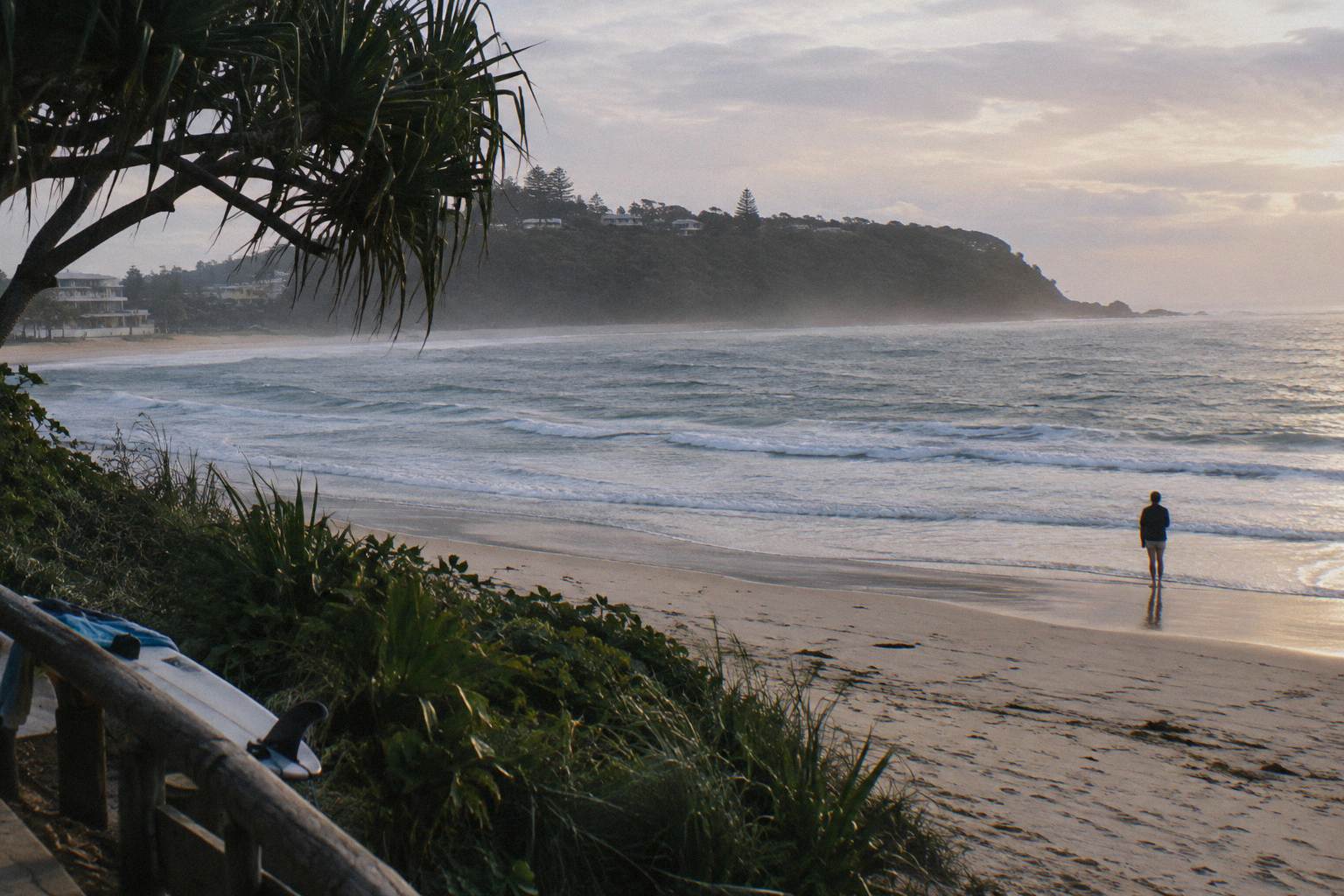
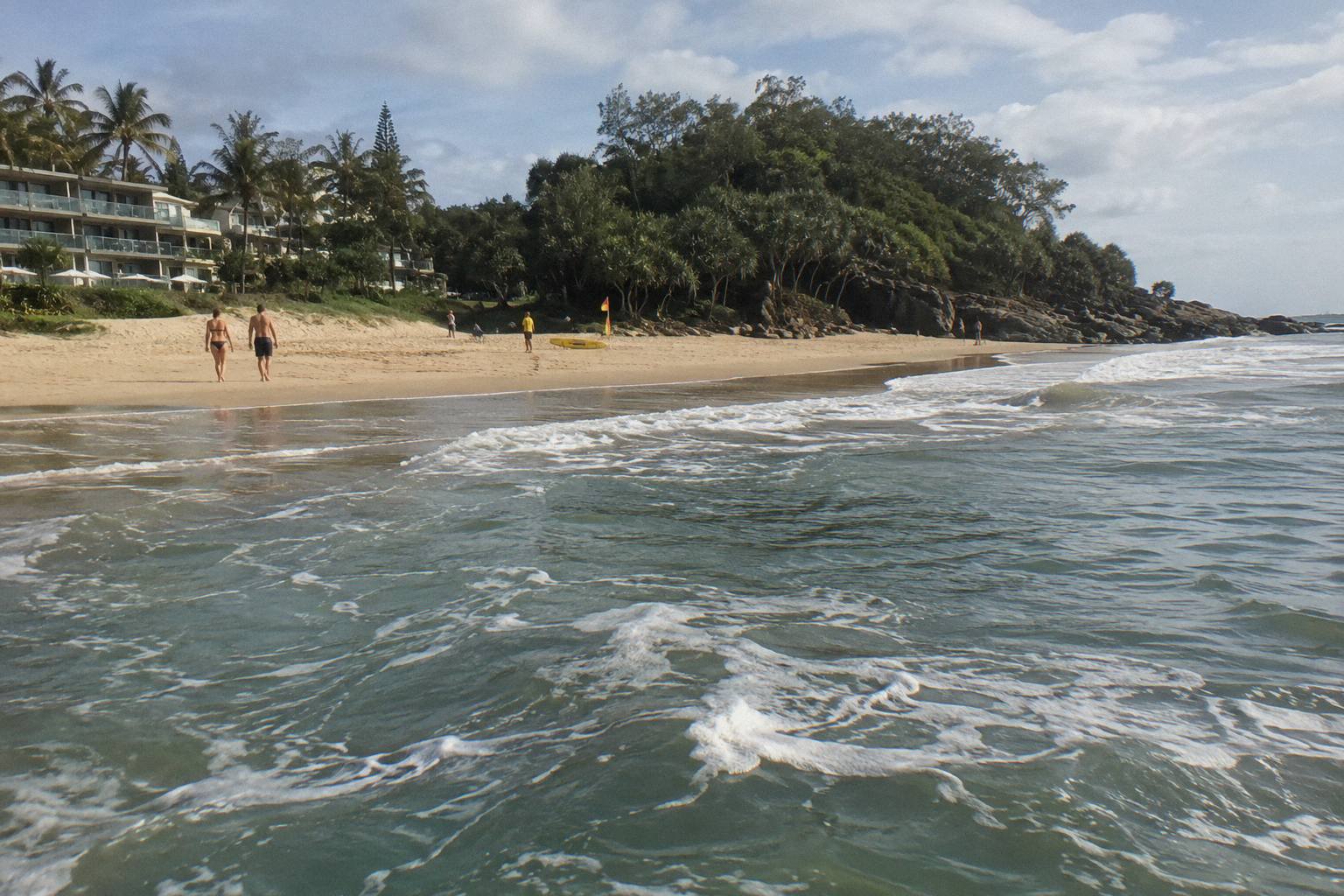
Noosa Main Beach faces north, which is the single most important safety fact for a first-time surfer in this town. The council's own beach safety page describes Main Beach as sheltered, while the eastern beaches, Sunshine, Sunrise, Castaways, Marcus and Peregian, are described as exposed to more powerful surf. Beginner lessons here do not happen at random spots along the coast. They concentrate on the sheltered, patrolled stretch of Main Beach, in front of two council-designated lesson zones at Beach Access 14 and Beach Access 11.
That geography does most of the safety work before an instructor even says a word. The rest is done by supervision, equipment and the handful of official programs that sit behind every Queensland beach. This guide walks through each of those layers using only what the council, the state government and the operators themselves publish, so you can decide whether a supervised lesson in Noosa is the right first step for you or your family. Where a fact is not stated by an official or operator source, this page says so plainly rather than filling the gap.
Is Learning To Surf In Noosa Safe For Beginners?
Yes, in the setting almost every beginner actually uses: a sheltered, patrolled, north-facing beach with a qualified instructor, a soft board and waist-deep water. Noosa Council describes Main Beach as sheltered, lifeguards patrol it under a council contract, and Merrick's caps group lessons at one instructor to seven students. No official source publishes a risk level, so the answer rests on conditions and supervision.
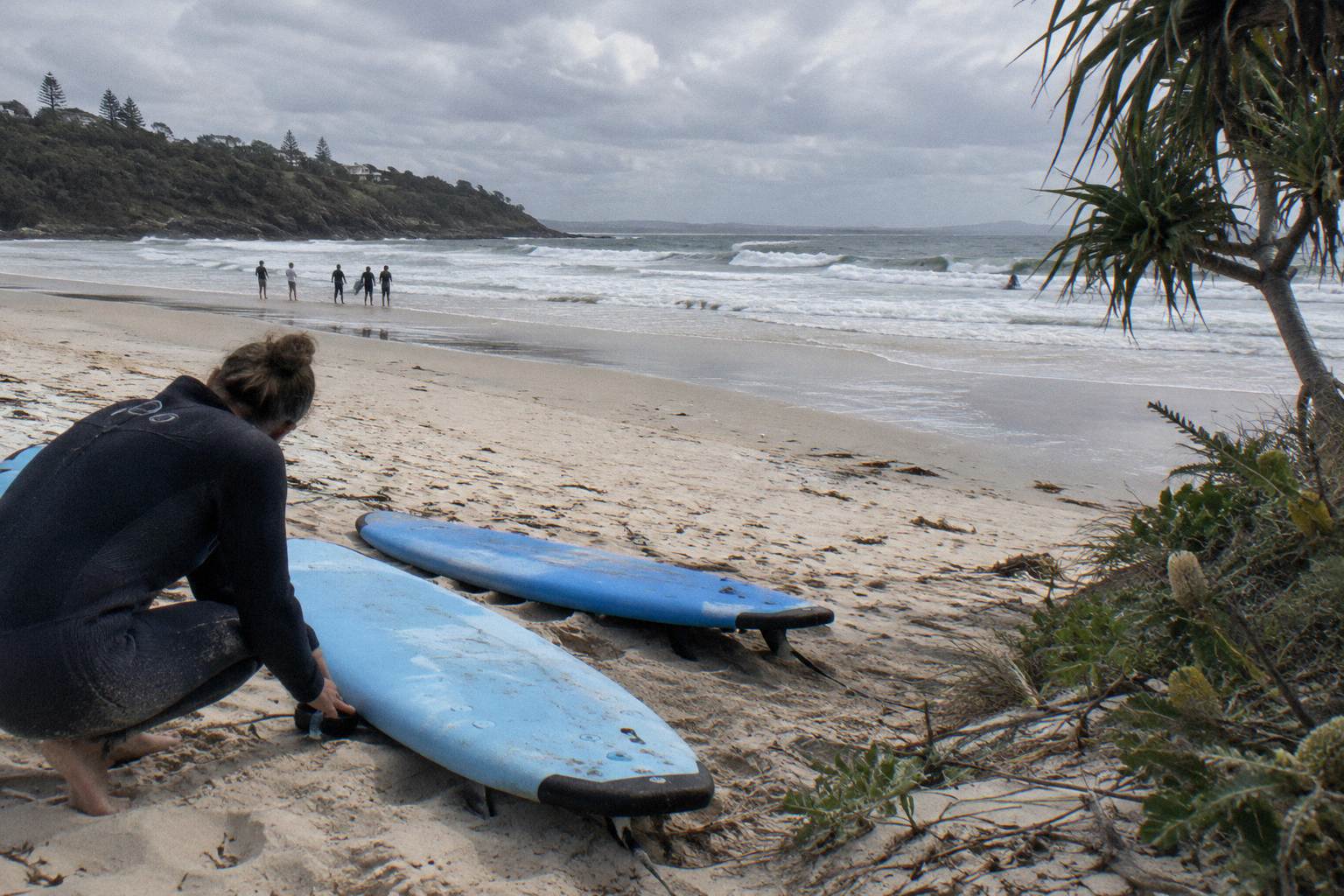
Three things stack in a beginner's favour here. First, the physical setting: a north-facing beach inside the headland, which the council contrasts explicitly with the more powerful surf on the eastern beaches. Second, the patrol layer: Noosa Main Beach is one of the council's patrolled beaches, with lifeguard services contracted to Surf Life Saving Queensland. Third, the lesson layer: commercial surf teaching on this beach is a permitted, tendered activity, and the two schools most beginners encounter run structured, equipment-inclusive lessons rather than casual board handovers.
It helps to be precise about what "safe" can honestly mean. No official source for Noosa publishes incident rates, risk statistics or comparative safety rankings. What the sources do give is structural: where lessons happen, who watches the water, what the instructors are qualified as, and what happens when conditions deteriorate. Those are the factors you can actually check before booking, and they are the substance of the rest of this guide.
For a fuller picture of where beginners fit into this coastline, see the companion page on the best beginner surf spots around Noosa, which covers the same geography from a spot-choice angle rather than a safety angle.
What Does Supervision Look Like In A Noosa Surf Lesson?
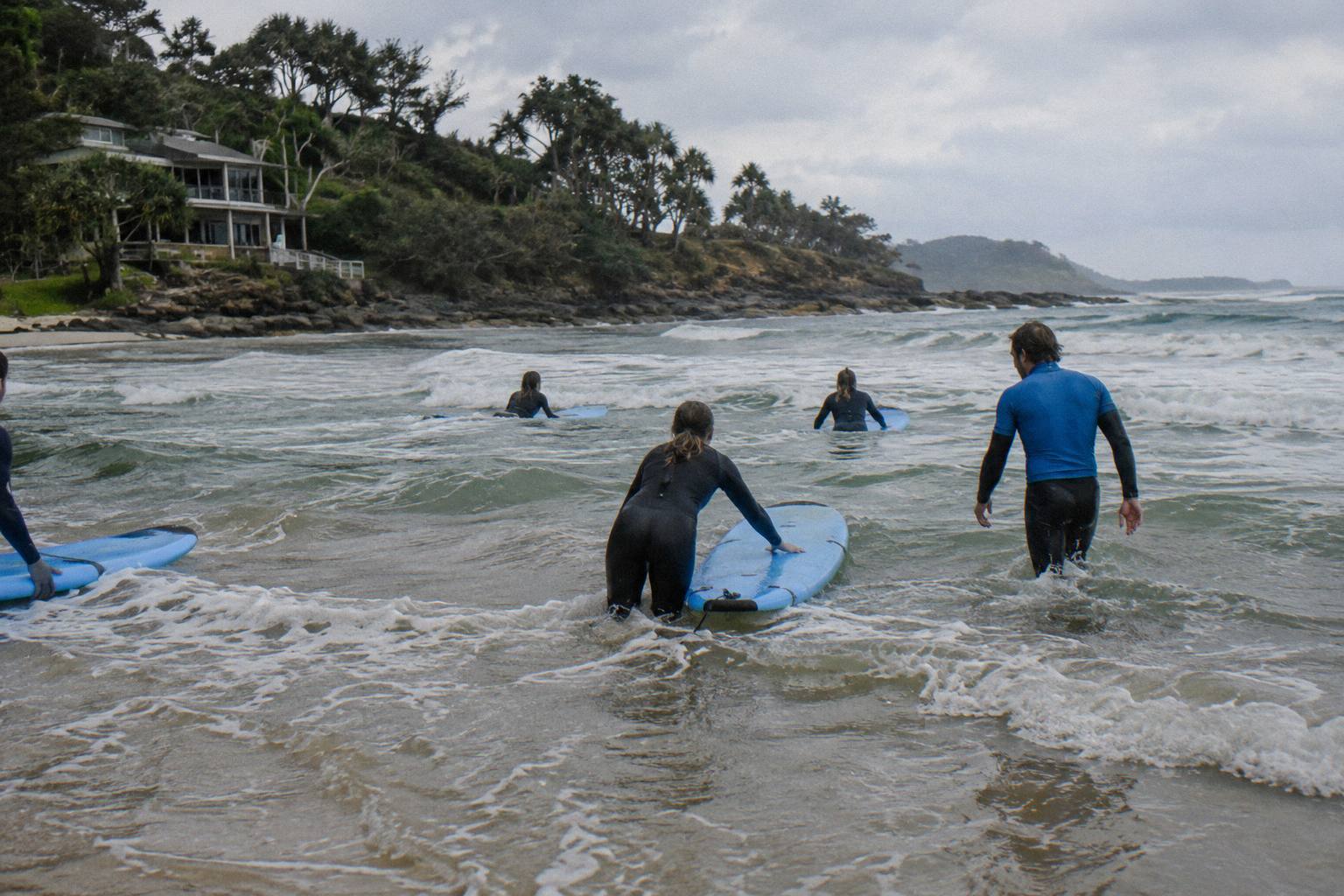
Supervision comes in two layers: council-contracted lifeguards watching the patrolled beach, and your own instructor running the lesson. Merrick's caps its group lessons at one instructor to seven students; Go Ride A Wave describes its instructors as highly trained and fully qualified lifeguards and keeps beginners in waist-deep water. Both meet inside designated council lesson zones.
The council contracts Surf Life Saving Queensland for lifeguard services, and Noosa Main Beach is on the patrolled list. The universal advice from the council is to swim between the red and yellow flags and never swim at unpatrolled beaches. A beginner lesson adds a second, tighter layer on top of that: an instructor whose job is the water, standing beside you for the whole session.
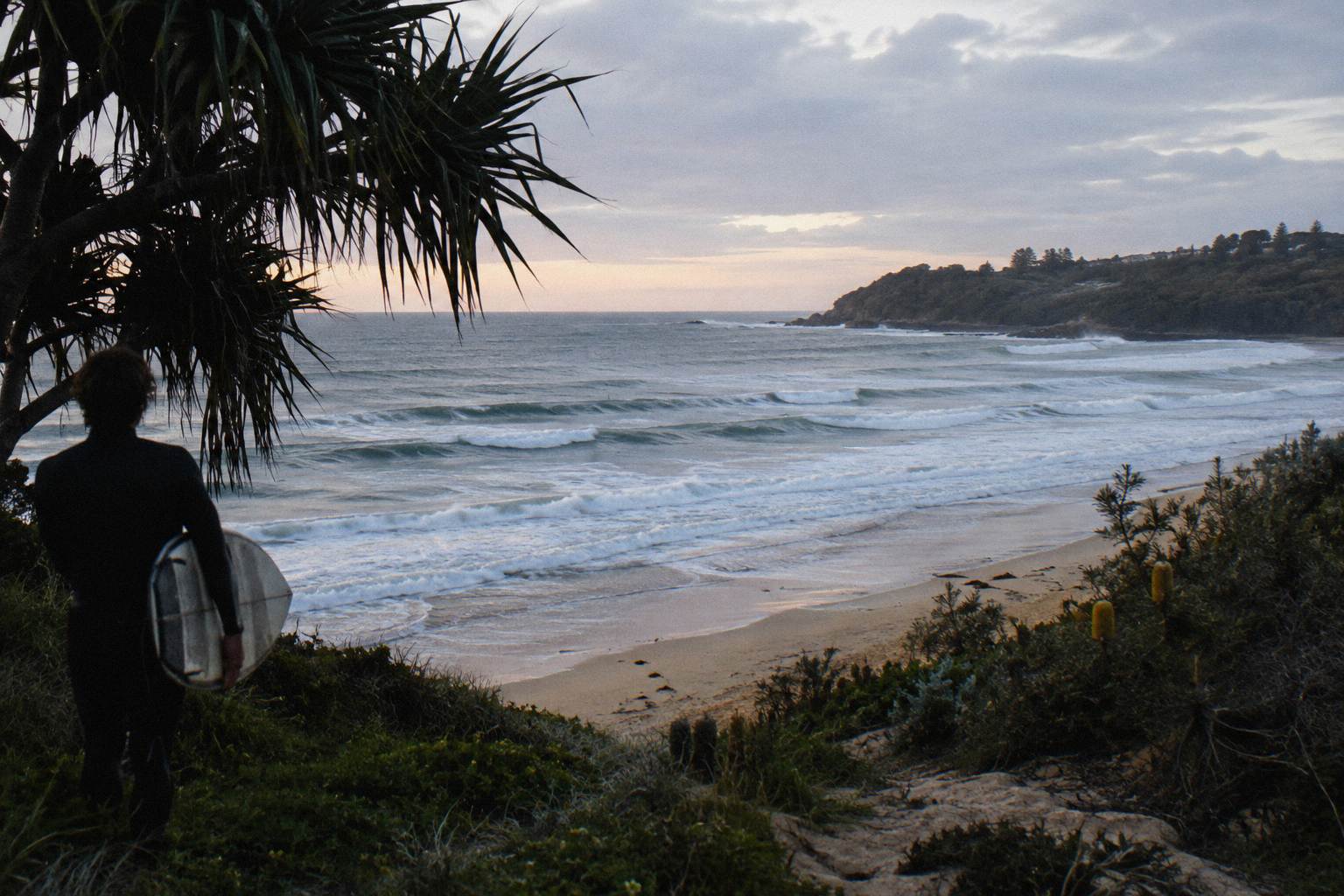
The two Main Beach schools describe their supervision differently but consistently. Merrick's Noosa Learn to Surf states a group ratio of one instructor to seven students on its product page, includes the surfboard and a rash vest or wetsuit, and requires students to be able to swim 25 metres unassisted, a minimum standard that matters more than any reassurance. Go Ride A Wave starts its 2-hour Surf Experience with safety information, uses a soft beginner board with a leg rope, runs beginners in waist-deep water, and describes its instructors as highly trained and fully qualified lifeguards on its Noosa operator page.
| Supervision factor | Merrick's (Main Beach) | Go Ride A Wave (Noosa Woods) |
|---|---|---|
| Group ratio | 1 instructor to 7 students | Not stated as a number |
| Instructor description | Coaches described as fully qualified, lifeguard certified | Highly trained and fully qualified lifeguards |
| Water depth for beginners | Not stated as a depth | Waist-deep water |
| Swimming requirement | Must swim 25 m unassisted | No minimum swimming ability stated |
| Included gear | Surfboard, rash vest or wetsuit | Soft beginner board, leg rope, wetsuit or rash shirt |
| Meeting point | Beach Access 14, Claude Batten Drive | White trailer, Beach Access 11, Claude Batten Drive |
The permit system sits behind all of this. Under the council's commercial-use-of-community-land policy, endorsed 21 May 2026, commercial operators need a council permit, five-year permits are allocated by tender, and one holder may hold at most two permits. The designated Learn to Surf Lessons locations are Main Beach West, Access 14 extending 50 metres west, and Access 11 extending 50 metres east. In other words, the two trailer meeting points you will be told to find are inside formally zoned teaching areas, not informal spots a school picked for convenience. Which schools hold the permits issued after the tender that opened on 1 July 2026 is not confirmed, so no operator on this site is described as permitted or unpermitted.
If you are weighing supervision density against price, the private options change the arithmetic completely. A private session, whether Merrick's 2-hour private lesson from AUD 250 for one person or the roughly 3-hour local-pro experience, is one instructor focused entirely on your party.
One supervision detail worth booking around: Merrick's recommends private bookings 72 hours ahead, so if a smaller ratio matters to you for a nervous teen or an anxious adult, plan the private lesson rather than hoping for a quiet group slot. For what the session itself covers hour by hour, the guide to what happens in a Noosa surf class walks through the structure.
Are There Sharks At Noosa Beaches?
Sharks live along the whole Queensland coast, and Noosa is not an exception. The Queensland Shark Control Program lists Noosa, Sunshine Beach and Peregian Beach among its Sunshine Coast locations. No official source publishes a risk level, an incident statistic or details of what equipment is installed at any of these beaches, so this page prints none of those things.
Search results for "noosa shark" are dominated by risk rankings, dramatic anecdotes and unverified sightings. The Queensland Shark Control Program's listing is the verifiable fact. It tells you the beaches are part of a state program, and it deliberately does not tell you anything quantitative about danger, because the program's own public material does not frame it that way.
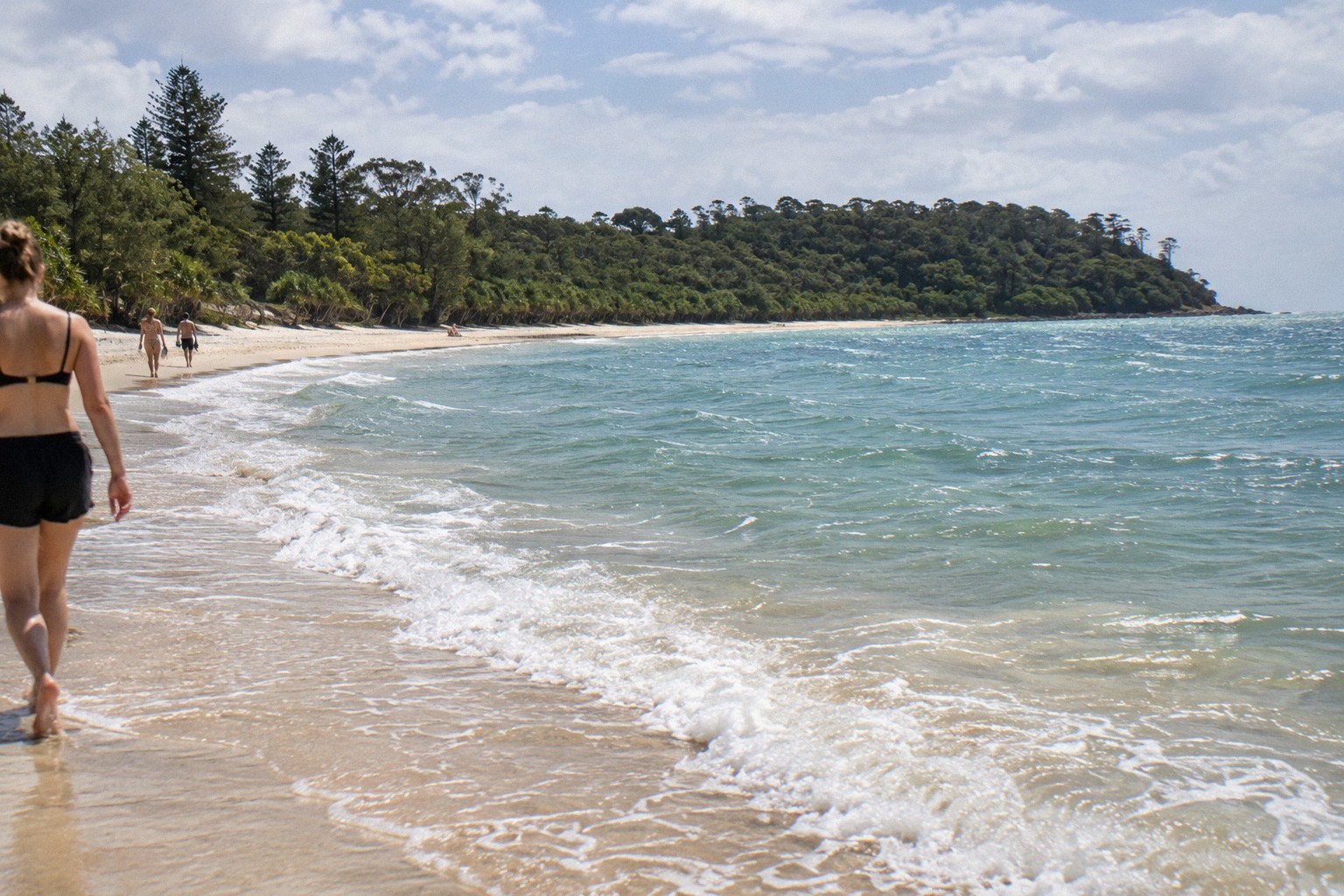
What a beginner can actually act on is the same advice that covers every other hazard: swim between the red and yellow flags, follow your instructor, and check conditions before you go. The Beachsafe app, which the council points to, shows patrol status, hazards, swell and tide for Australian beaches, and it is the fastest way to see what the authorities are flagging on the morning of your lesson. Your instructor is also a live source: they are on that beach daily, in the water, and a question about the morning's conditions is a normal thing to ask at the start of a session.
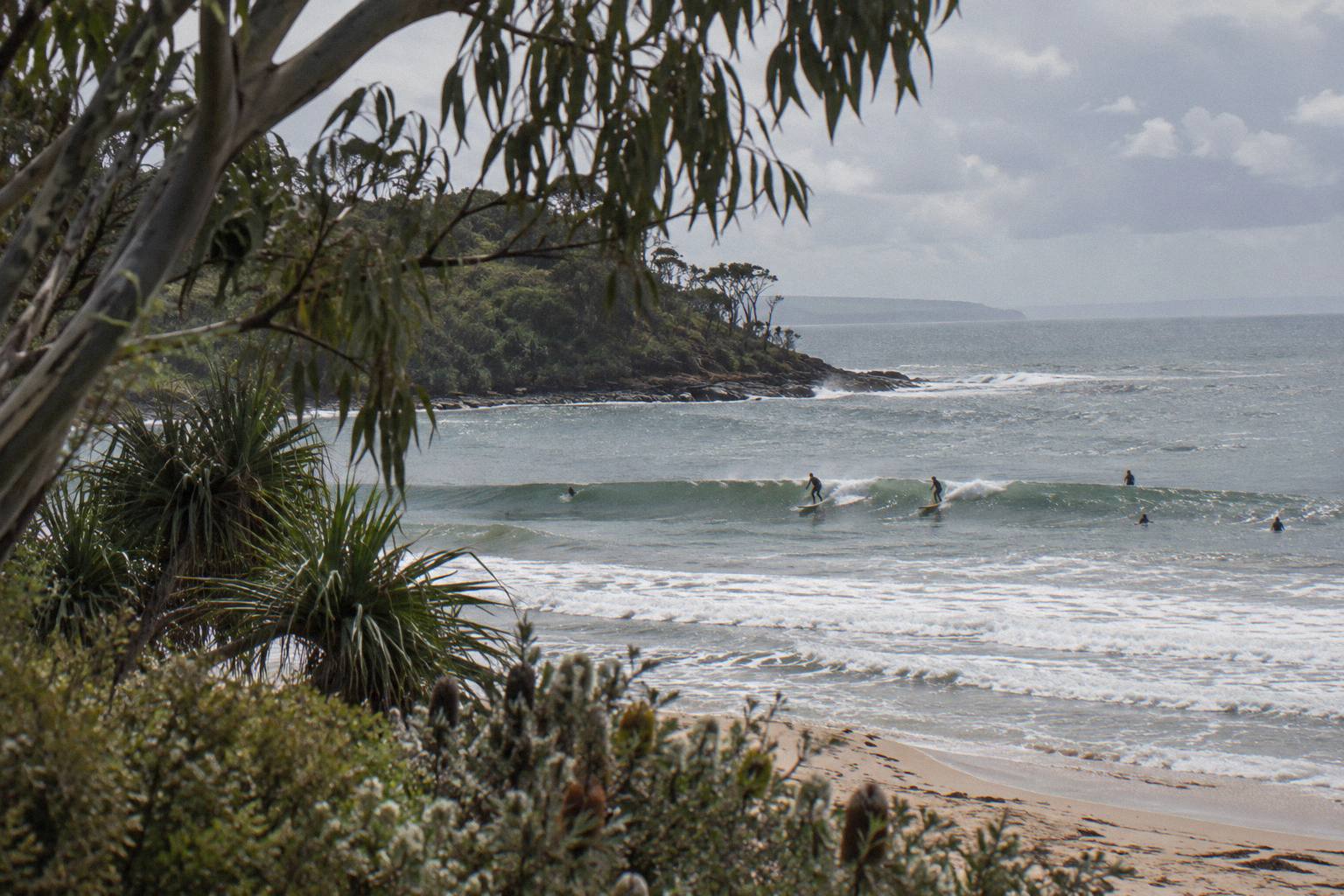
Perspective also helps, of the kind that comes from the structure of the activity rather than from reassurance. A beginner lesson at Main Beach takes place in waist-deep water, per Go Ride A Wave's description, close to shore, beside an instructor, on a flagged and patrolled beach, within a zone the council has designated for teaching. That is a very different exposure profile from surfing alone at dawn at an unpatrolled break, which the council's own advice rules out for swimmers in any case. If the shark question is the thing holding you back, the 2-hour group lesson page sets out the supervised format in full.
What About Rips And Currents At Main Beach?
No official rip map or rip forecast for Noosa appears in the sources for this site, so this page prints none. The generic official advice is the whole of it: swim between the red and yellow flags, never swim at unpatrolled beaches, and ask a lifeguard or your instructor about conditions on the day. A lesson adds constant instructor supervision to that advice.
Rips are the hazard most beginner surfers worry about most, and also the one where invented detail does real damage. Plenty of pages will happily tell you where rips form at specific Noosa breaks and how they behave on particular tides. None of that is in the official or operator material behind this site, so none of it appears here. What the sources do establish is the framework that manages the hazard for you.
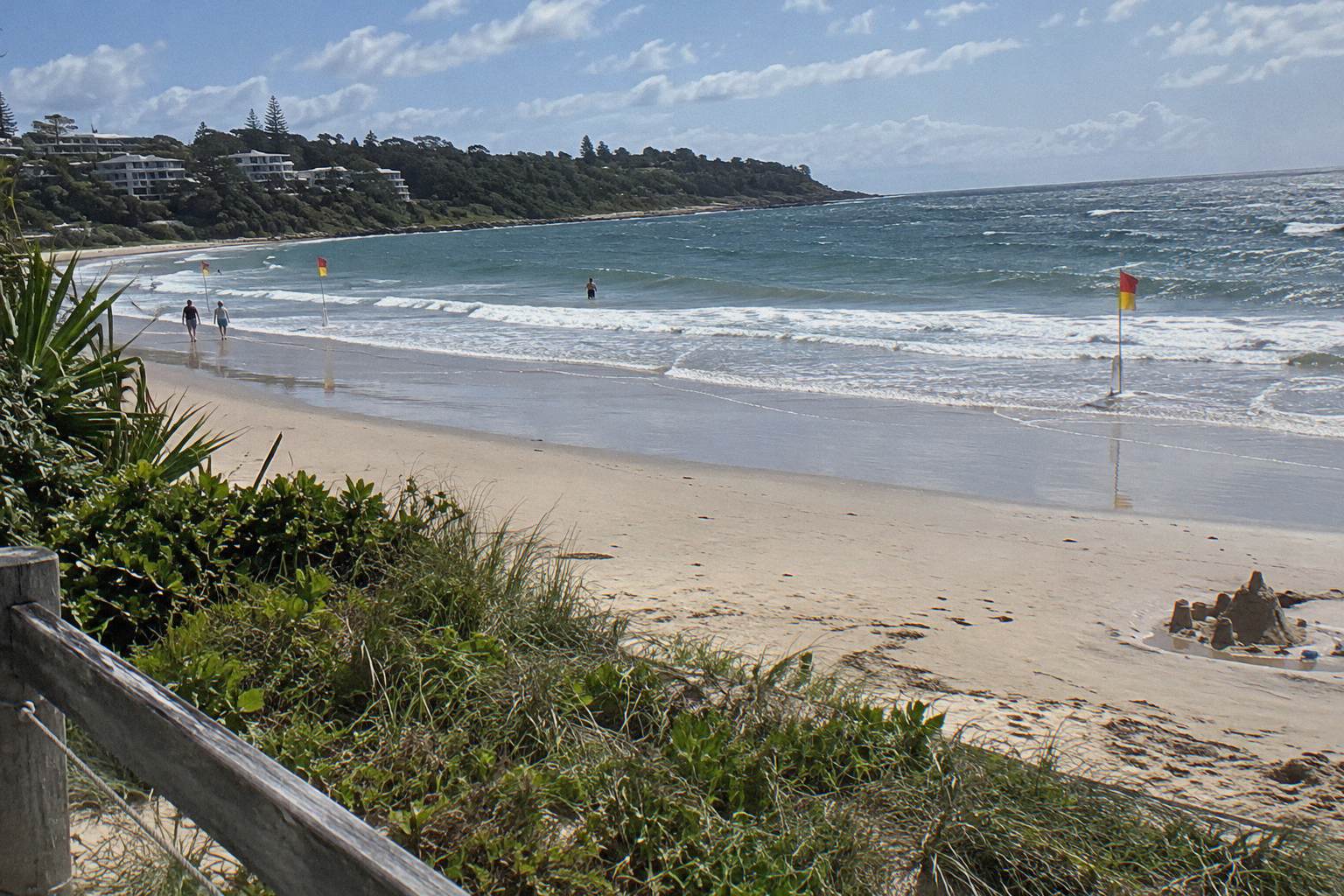
That framework has three parts. The beach is patrolled, with lifeguards contracted through Surf Life Saving Queensland. The flags mark the supervised swimming area, and the council's advice is to stay between them. And your instructor, who is in the water with you for the full two hours, is making minute-by-minute decisions about where the group sits in the water. Go Ride A Wave additionally states that if the surf is large, it stays closer to shore or moves to a more sheltered beach, and Merrick's terms say unsafe water may mean the lesson moves to the shore or is rescheduled. In other words, the operators' own published behaviour when conditions are wrong is to not surf where it is wrong.
| Condition scenario | Operator's stated response |
|---|---|
| Surf is large (Go Ride A Wave) | Stays closer to shore or moves to a more sheltered beach |
| Unsafe water (Merrick's) | Lesson moves to the shore or is rescheduled |
| Rain (Merrick's) | Lessons run in all weather; no refund for rain |
| Instructor cancels for unsafe conditions (Merrick's) | Refund or credit applies |
| Unsafe conditions (Sunshine Coast Elite, direct-only) | Lessons are rescheduled |
For nervous beginners, the swimming requirement is the honest gate. Merrick's requires students to swim 25 metres unassisted before booking; Go Ride A Wave states no minimum swimming ability, because its beginner sessions run in waist-deep water with flotation from the board. If 25 metres is genuinely beyond you today, that is useful information from an operator, not an insult, and it tells you which format to choose. For more on choosing between formats, see the comparison of Noosa surf schools, which lays out the same operators side by side.
Are Marine Stingers A Risk In Noosa?
Noosa sits south of both mapped tropical stinger ranges. Queensland Government and Surf Life Saving Queensland place box jellyfish north of Agnes Water and Irukandji north of southern Fraser Island, with the November to May season applying to those tropical waters. No stinger nets are listed for Noosa, and this page does not describe a local stinger season, because no official source does.
The geography is doing the work here and it is worth being exact about it. The dangerous species people read about, box jellyfish and Irukandji, are mapped to tropical Queensland, well north of the Sunshine Coast. The seasonal warnings that run from November to May belong to that tropical region. Noosa is south of both lines, which is why you will not find the stinger nets here that northern Queensland beaches use.
What a Noosa beginner might realistically encounter is far more ordinary. Bluebottles are the more likely sting, though even that is an inference rather than a documented local statistic, so the practical advice is simply to ask your instructor, who will know what is in the water that week. Both Main Beach schools include a wetsuit or rash vest depending on the time of year, which covers sun and abrasion as much as anything in the water.
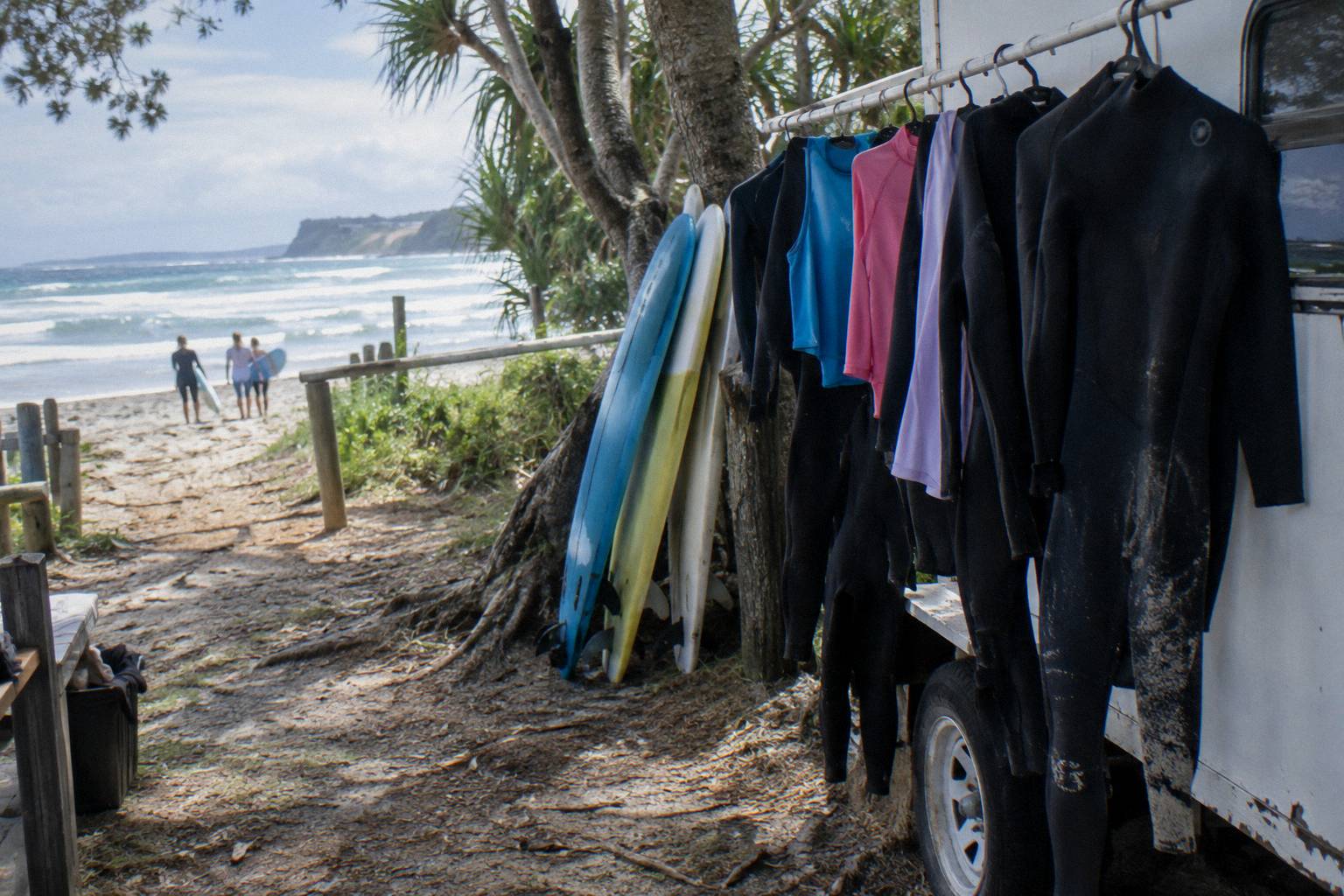
Water temperature is a comfort question rather than a safety one, but it shapes what you wear. Merrick's own visitor page gives about 19 °C in winter to about 25 °C in summer, which is the operator's figure rather than an official Bureau reading. A separate sea-temperature reference site gives a 10-year mid-November average of about 23.6 °C. In practice: board shorts are fine in the height of summer, and the included wetsuit earns its place in the cooler months.
Which Noosa Beaches Are Patrolled, And When?
Noosa Council lists Noosa Main Beach, Sunshine Beach and Peregian Beach as patrolled, with Sunrise Beach and North Peregian patrolled seasonally. Lifeguard services are contracted to Surf Life Saving Queensland. The council does not publish patrol dates or hours on the material this site uses, so check the Beachsafe app for the live patrol status on the day.
This matters for one simple reason: beginner lessons and patrols overlap on Main Beach, but if you venture east to the stronger beach breaks, the patrol picture changes with the season. The eastern beaches, in the council's wording, are exposed to more powerful surf, and two of them, Sunrise and North Peregian, are only patrolled seasonally. The council's standing advice covers all of it: swim between the red and yellow flags, never swim at unpatrolled beaches, and use the Beachsafe app for patrol status, hazards, swell and tide.
| Beach | Patrol status (council) | Exposure (council wording) | Beginner lessons here? |
|---|---|---|---|
| Noosa Main Beach | Patrolled | North-facing, sheltered | Yes, in the permit zones at Access 11 and 14 |
| Sunshine Beach | Patrolled | Exposed to more powerful surf | Not as a Main Beach lesson base |
| Peregian Beach | Patrolled | Exposed to more powerful surf | Direct-only schools use it, spot chosen daily |
| Sunrise Beach | Patrolled seasonally | Exposed to more powerful surf | No |
| North Peregian | Patrolled seasonally | Exposed to more powerful surf | No |
The Noosa World Surfing Reserve, designated in 2020, frames why this coast draws surfers at all: it describes five of the world's best point breaks, and the council calls Noosa one of the world's most iconic longboard waves. Those point breaks are for experienced surfers; the named breaks from First Point through to Boiling Pot exist as places, but no source describes how any of them behaves on a given day. The beginner's Noosa is the whitewater at Main Beach, and that is where every bookable lesson on this site takes place.
What Happens If Conditions Turn Unsafe During A Lesson?
Reading an operator's cancellation terms before booking is the closest thing to a safety audit a consumer can run, and the Main Beach schools' terms are refreshingly concrete. Merrick's publishes refund or credit with 24 hours' notice, or if the instructor cancels for unsafe conditions, plus the explicit statement that rain is not grounds for a refund, because lessons run in all weather. Its terms also note that multi-lesson blocks are refunded at the undiscounted rate for lessons used, and that gift vouchers are non-refundable but transferable. Go Ride A Wave offers a full refund or credit with 24 hours' notice or when the operator cancels for weather, with no-shows charged in full.
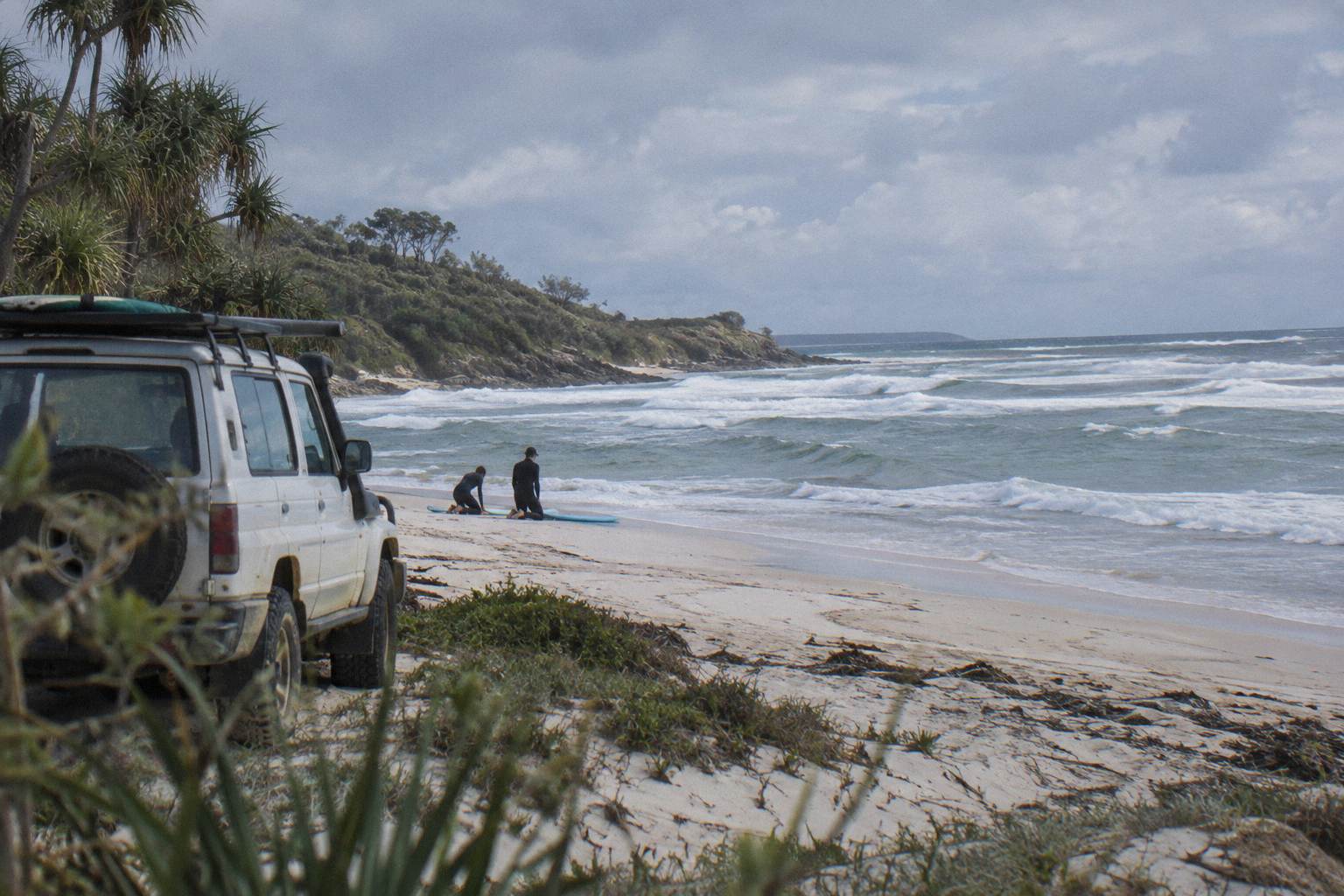
The pattern across every operator this site covers is that nobody surfs unsafe water. Sunshine Coast Elite, a direct-only school east of Noosa, states plainly that lessons are rescheduled if conditions are unsafe. The 6-hour 4x4 learn-to-surf safari to Double Island Point is the one product that leaves Main Beach entirely, and the operator should be asked directly about its weather call at booking.
For the full weather and cancellation picture, including what the 24-hour notice windows mean in practice for a multi-day trip, see the guide to Noosa surf class weather and cancellations.
Which Lesson Format Suits A Nervous Beginner?
For most nervous first-timers the group lesson is the standard entry: two hours, soft board, wetsuit included, one instructor to seven at Merrick's from AUD 94 per person. Go Ride A Wave's 2-hour experience adds lifeguard-qualified instructors and waist-deep water. Private sessions, from Merrick's AUD 250 for one person, buy full attention for about two to three hours.
The honest differentiators are ratio, depth and age fit, not safety rankings, because no source here ranks anyone's safety. Merrick's suits confident swimmers from age 7 who can manage 25 metres unassisted; Go Ride A Wave's waist-deep format suits swimmers the operator places no minimum on. Adults after something more personal have the local-pro private session, roughly 3 hours for up to four people, meeting at 60 Hastings Street, minimum age 18.
| Format | Duration | Ratio | Stated price | Best fit |
|---|---|---|---|---|
| Merrick's group lesson | 2 hours | 1:7 | AUD 94 per person | Confident swimmers, age 7 and over |
| Go Ride A Wave Surf Experience | 2 hours | Not stated | Not published | Waist-deep beginners, lifeguard-qualified instructors |
| Merrick's private lesson | 2 hours | 1:1 or family | AUD 250 for 1, AUD 275 for 2 | Nervous learners, fast feedback |
| Local Pro private session | About 3 hours | Private, up to 4 | Not stated | Adults 18 and over |
One reassuring structural fact for families: the operators describe their own people in specific terms. Merrick's calls its coaches fully qualified, lifeguard certified and blue-card holding, its wording, and Go Ride A Wave describes its instructors as highly trained and fully qualified lifeguards with AUD 20 million public liability and AUD 5 million professional indemnity insurance on its operator page. Go Ride A Wave's page also claims a Gold Tier Best of Queensland Experience 2026 recognition, which is the operator's own claim rather than this site's endorsement. No operator's page states Surfing Australia accreditation.
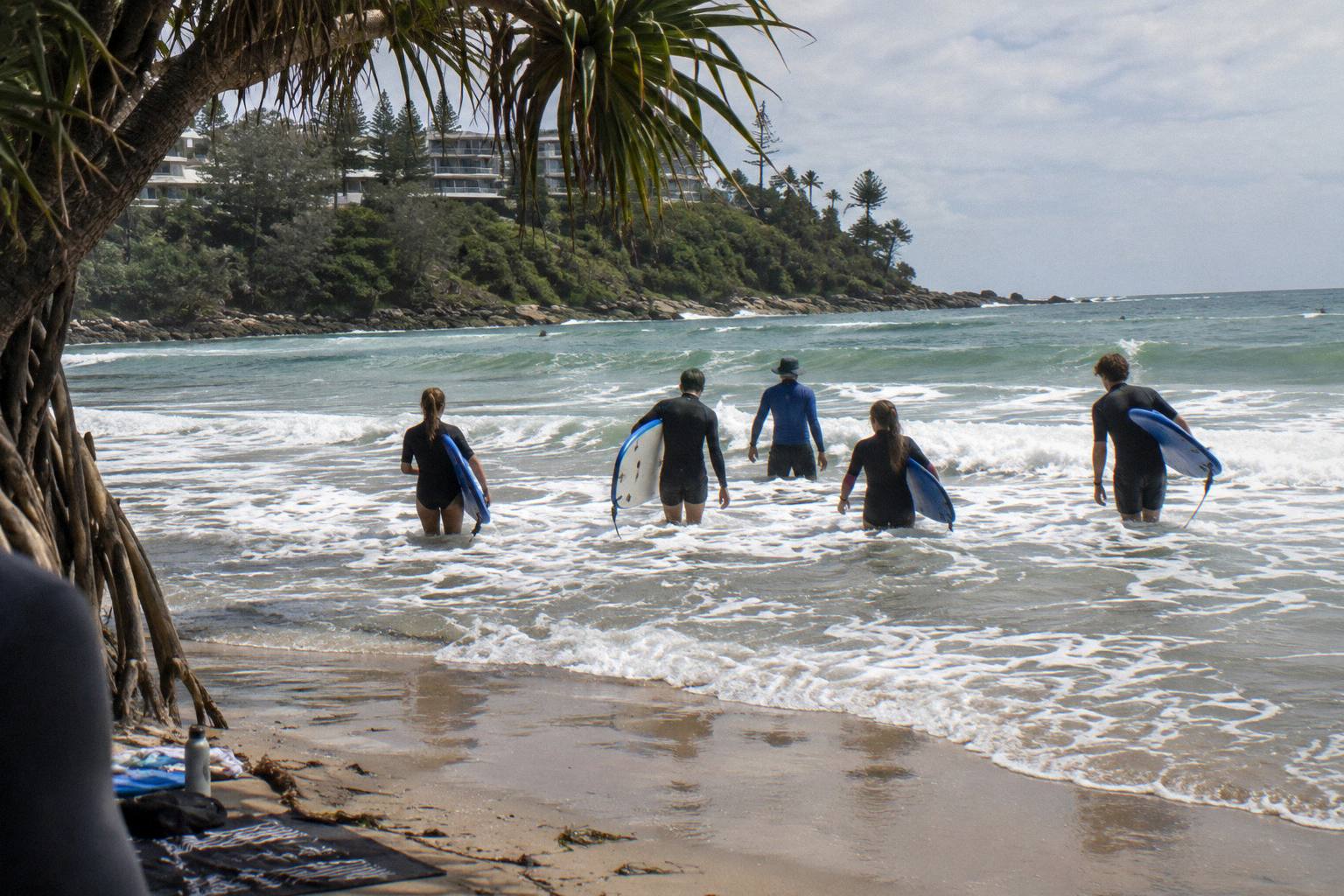
This is also where Noosa Surf Lessons earns its keep as a research base: every safety claim above traces to a council page, a state program or an operator's own published terms, and anything the sources do not state is marked as not stated. If your remaining hesitation is about skill rather than safety, the piece on whether 40 is too late to learn to surf addresses the age question directly, and the rundown of how many lessons it takes to surf sets realistic expectations for progression.
Common Questions About Surfing Safety In Noosa
Is Learning To Surf In Noosa Safe For Beginners?
Yes, in the setting beginners actually use: a sheltered, north-facing, patrolled beach, with a qualified instructor, a soft board and waist-deep water. Group lessons run at one instructor to seven students at Merrick's, and Go Ride A Wave describes its instructors as fully qualified lifeguards. No official source publishes a risk level.
Are There Sharks At Noosa Beaches?
The Queensland Shark Control Program lists Noosa, Sunshine Beach and Peregian Beach among its Sunshine Coast locations. No official source publishes a risk level, incident statistic or equipment detail for these beaches. Swim between the flags, follow your instructor, and check the Beachsafe app before you go.
Are There Stingers At Noosa?
Noosa sits south of both tropical stinger ranges: Queensland authorities place box jellyfish north of Agnes Water and Irukandji north of southern Fraser Island, with the November to May season applying to those tropical waters. No stinger nets are listed for Noosa. Bluebottles are the more likely local sting, though that is an inference: ask your instructor.
Which Noosa Beaches Are Patrolled?
Noosa Council lists Noosa Main Beach, Sunshine Beach and Peregian Beach as patrolled, with Sunrise Beach and North Peregian patrolled seasonally. Lifeguards are contracted through Surf Life Saving Queensland. Patrol dates and hours are not printed here: check the Beachsafe app for live status.
Do I Need To Be A Good Swimmer To Take A Surf Lesson In Noosa?
It depends on the operator. Merrick's requires students to swim 25 metres unassisted. Go Ride A Wave states no minimum swimming ability and runs beginner lessons in waist-deep water. If 25 metres is beyond you today, choose the waist-deep format and mention it when booking.
What Happens If The Surf Is Too Big On Lesson Day?
Go Ride A Wave stays closer to shore or moves to a more sheltered beach when the surf is large. Merrick's says unsafe water may move the lesson to the shore or see it rescheduled, with refund or credit when the instructor cancels for unsafe conditions. Rain alone is not a cancellation at Merrick's: lessons run in all weather.